Qt / C++ infos
-
Canvas2D: New QML canvas element using Qt Canvas Painter
In the earlier blog postsabout Qt Canvas Painter we have looked at what it is, the new rendering features it brings, how fast it is compared to QPainter, and how path caching makes even a million line segments render smoothly. All of those earlier blog posts used the QCanvasPainter C++ API. At the end of the path caching post I teased that a QML element was coming, and it is here now: Canvas2D, available in Qt 6.12.
-
A Cross-Platform C# UI Framework via Qt’s Bridging Technology
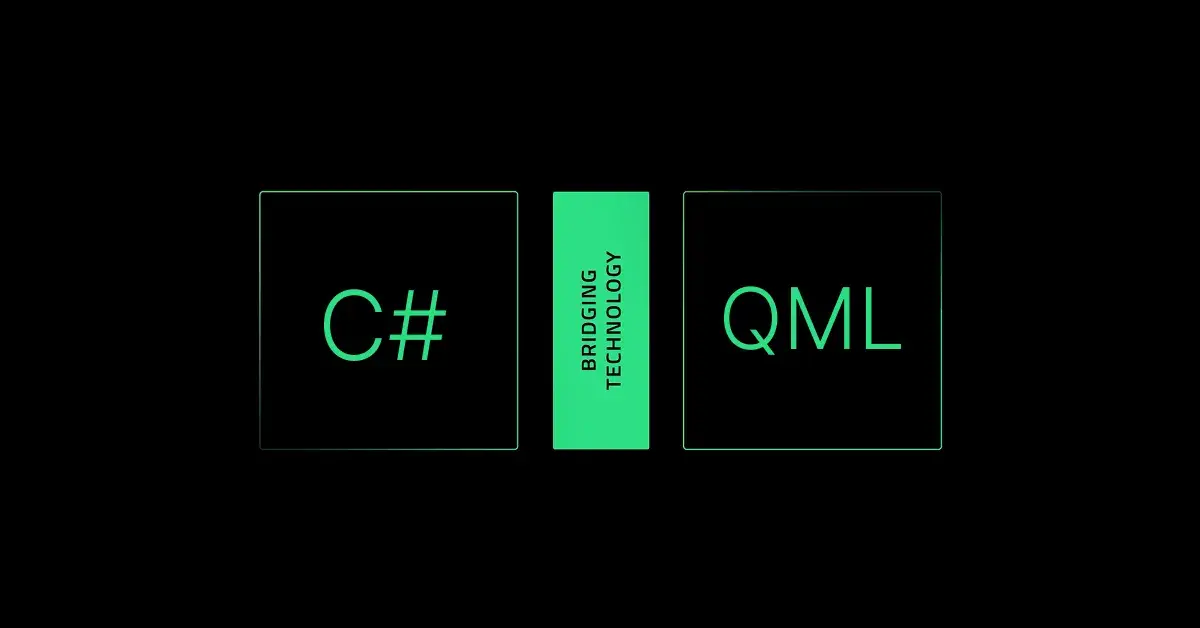
Every C# UI framework comes with a familiar pattern: Windows-first, Linux absent, roadmap uncertain. WPF stalled, MAUI skipped Linux, WinUI 3 stays Windows-native. At the same time, demand for embedded Linux grows and C# teams feel the lack of good UI alternatives for C# on Linux. Qt Bridges, a bridging technology in public beta for C#, provides access to a UI framework that allows preserving your existing C# codebase while utilizing Qt Quick’s feature-rich UI libraries and APIs, hardware acceleration, and cross-platform capability.
-
QML and C# without C++: Qt Bridge for C# 0.4.0 Beta Released
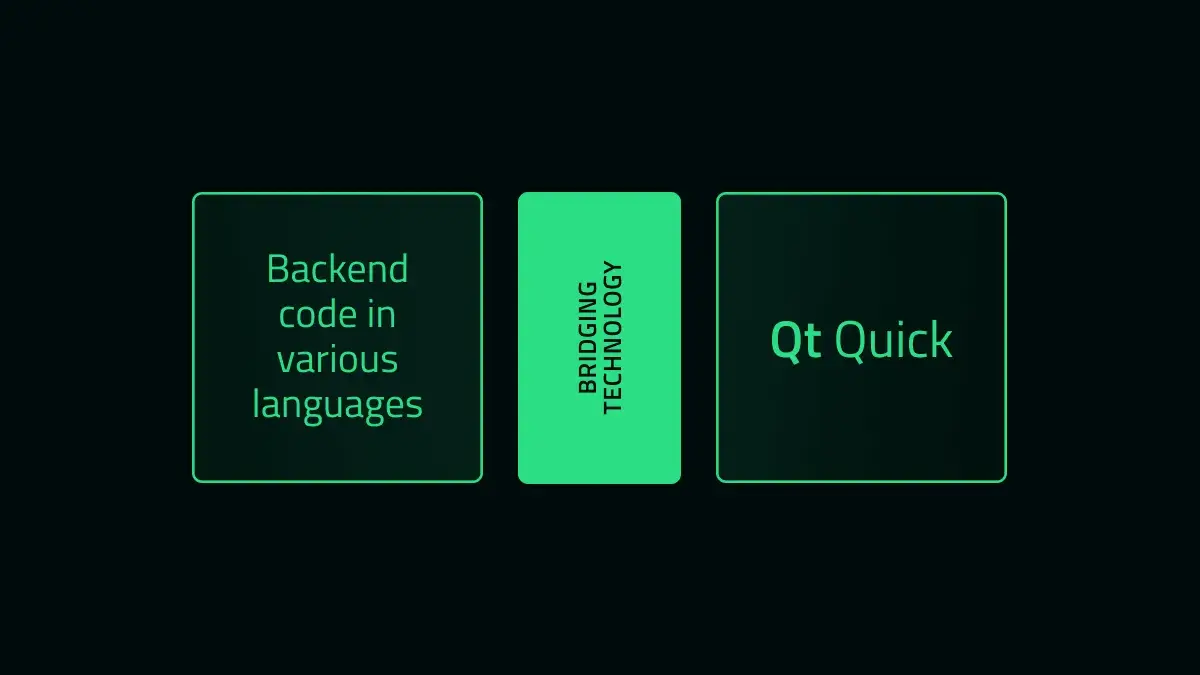
As part of the on-going development of Qt Bridges, and beyond the two Beta versions already released, we've continued to add new features to the C# bridge, and we're now announcing the release of a new Beta version 0.4.0. The highlight of this release is the possibility to develop C# + QML applications without the need for a C++ compiler. This means that C# developers can now take full advantage of Qt’s UI framework capabilities while keeping their familiar development workflow. Other features that we've added in this release include support for macOS and Windows on ARM.
-
Commercial LTS Qt 6.8.9 Released

We have released Qt 6.8.9 LTS for commercial license holders today. As a patch release, Qt 6.8.9 adds no new functionality but provides bug fixes and other improvements.
-
Security advisory: CVE-2026-76151 out-of-bounds read (buffer over-read) vulnerability in HTTP Cache-Control response header parsing impacts Qt Framework (QtNetwork module)
An out-of-bounds read (buffer over-read) vulnerability in the HTTP Cache-Control response header parsing of the Qt Framework (QtNetwork module) has been discovered and has been assigned the CVE id CVE-2026-76151.
-
Security advisory: CVE-2026-19248: Unbounded recursion vulnerability in the QDomNode destructor of Qt XML impacts Qt
Unbounded destructor recursion in the QDomNode destructor of Qt XML has been discovered and has been assigned the CVE id CVE-2026-19248.
-
Security advisory: CVE-2026-13326 Out-of-bounds read and integer underflow vulnerability in QNdefNfcTextRecord impacts Qt NFC module
An out-of-bounds read and integer underflow vulnerability in the QNdefNfcTextRecord class of the Qt NFC module (qtconnectivity) has been discovered and has been assigned the CVE id CVE-2026-13326.
-
Security advisory: CVE-2026-11573 Uncontrolled recursion in QDomDocument serialization
Updated 11 September 2026: the affected version range in this advisory has been corrected. It originally read "from 6.7.0 to 6.8.1". Further source review established that the recursive serialization code has been present since Qt 2.2.0, so all Qt versions before the fixed releases listed below are affected. The CVE record has been updated accordingly. The severity assessment and CVSS score are unchanged.
An uncontrolled recursion (CWE-674) vulnerability in the Qt QDomDocument serialization path of the Qt XML module (QtXml, qtbase) has been discovered and has been assigned the CVE id CVE-2026-11573. The affected code is reachable throughQDomDocument::toByteArray()(Qt 4.0 and later),QDomDocument::toString(),QDomDocument::toCString(),QDomNode::save(), andoperator<<(QTextStream&, const QDomNode&). -
Qt Design Studio 4.8.3 Released
Qt Design Studio 4.8.3 Is Here!
Qt Design Studio 4.8.3 is a maintenance release that builds on foundations of 4.8.2: a round of improvements to the Figma design workflow from both ends of the pipeline, fixes to property editing for Qt for MCUs projects, and a refreshed set of AI models.Qt Bridge
The Qt Bridge importer now retains the settings from your last import, remembering both the import options and the path, so bringing in an updated design no longer means re-entering the target directory and re-picking your options every time. Alongside that, a handful of correctness fixes improve the QML that comes out of an import: colors are no longer added to plain Items, master components get proper default values for aliasing, inner attached property overrides are no longer propagated since QML does not support this, and imported UIID names no longer get an _instance suffix appended.
-
Qt AI Assistant Retires As We Invest in Agentic Development Tools
The Way Developers Use AI Has Changed
When Qt AI Assistant was introduced, the state of the art in AI-powered software development was the single-turn prompt: select a block of code, ask for a test case, an explanation, or some boilerplate QML, and review the result.